How corporate responsibility became the trump card of organizations
- From Leave a Mark
- 04/03/2023
In simple words, there is an expectation from companies and organizations to "volunteer" and take corporate social responsibility (CSR) to create added value for the benefit of the environment and society as a whole. At face value, it sounds like another expense in an ocean of expenses during a recession. But we want to offer a slightly different perspective on how things can be improved:
Within the organization – employee welfare, promotion and equal opportunities, fair management, ethics, etc. Outside the organization – the development of technology that promotes social goals and values such as environmental sustainability, equal opportunities in medicine, the advancement of women, making services accessible to weaker sections of the population, philanthropy, and more.
So the public gains meaningful and real change, but what is in it for corporations? According to a survey conducted by Liberal magazine in collaboration with IPANEL in 2022, which examined the influence of values on the consumer and work patterns of generation Z, it became clear that organizations that took responsibility and adopted a social-environmental significance to their business activities, translated the meaning into money. And a lot of money: approx. 70% (!) of the respondents answered that they would pay more for a service or product from a company whose values they identified with.
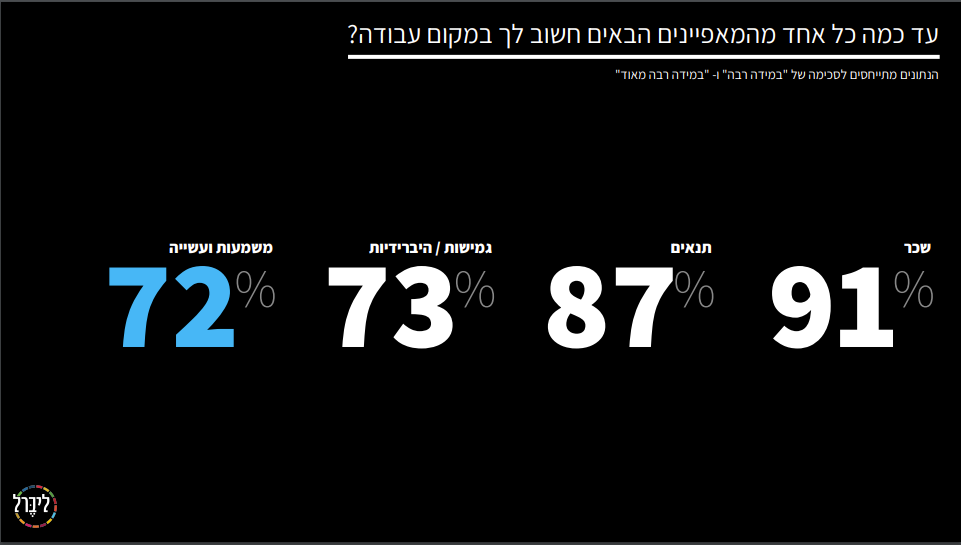
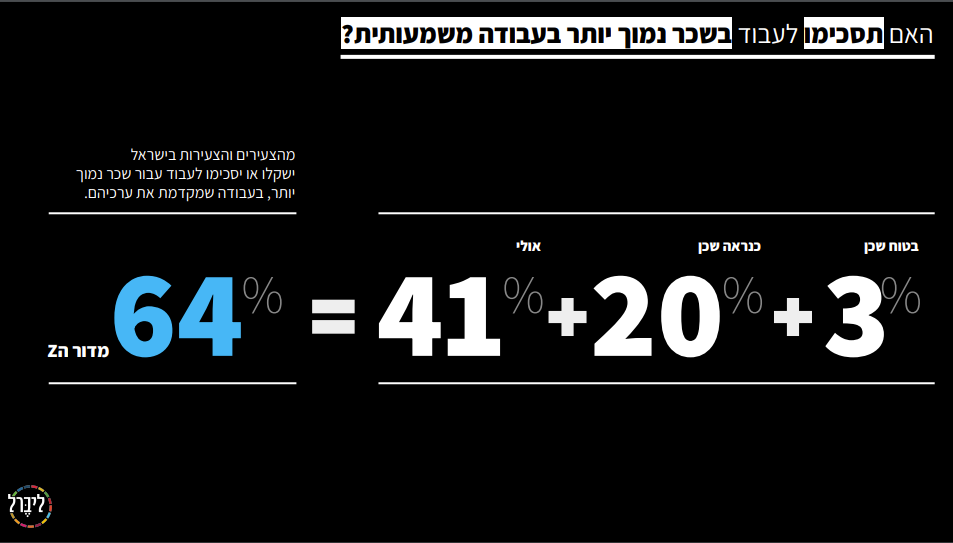
Recruitment – in a study by Liberal magazine, 72% of respondents said that doing good had significant value when choosing a workplace, and 64% of young people would consider accepting a lower salary in a job that promotes their values.
Sign up for the newsletter
אנו משתמשים בקובצי Cookie.
הם עוזרים לנו לייעל את חוויית המשתמש שלך ולנתח את התנועה שלנו. אתה שולט בנתונים שלך - ספר לנו מה אתה מרגיש בנוח איתו למטה.
אתרים שומרים עוגיות כדי לשפר את הפונקציות ולפרסונליזציה של החוויה שלך. אתה יכול לנהל את ההעדפות שלך, אך חסימת חלק מהעוגיות עלולה להשפיע על ביצועי האתר והשירותים.
עוגיות חיוניות מאפשרות פונקציות בסיסיות והן הכרחיות לפעולה התקינה של האתר.
Google reCAPTCHA עוזר להגן על אתרים מפני ספאם וניצול לרעה על ידי אימות אינטראקציות משתמשים באמצעות אתגרים.
Google Tag Manager מפשט את ניהול תגי השיווק באתר שלך ללא שינויים בקוד.
HubSpot היא פלטפורמת שיווק, מכירות ושירות לקוחות הכוללת הכל, המפשטת את צמיחת העסק.
WPForms הוא תוסף ידידותי למשתמש עבור WordPress ליצירת טפסים מותאמים אישית עם פונקציית גרירה ושחרור.
עוגיות סטטיסטיקה אוספות מידע באופן אנונימי. מידע זה מסייע לנו להבין כיצד המבקרים משתמשים באתר שלנו.
Google Analytics הוא כלי עוצמתי שעוקב ומנתח את תנועת האתר לצורך קבלת החלטות שיווקיות מושכלות.
כתובת שירות: policies.google.com (opens in a new window)
Hotjar הוא כלי ניתוח חזק שעוזר לך להבין את התנהגות המשתמשים באמצעות מפות חום והקלטות של סשנים.
LinkedIn היא פלטפורמת רשת מקצועית למבקשי עבודה, מעסיקים וחיבורים בתעשייה.
Clarity היא שירות ניתוח אתרים שעוקב ומדווח על תנועת האתר.
כתובת שירות: clarity.microsoft.com (opens in a new window)
עוגיות שיווקיות משמשות לעקוב אחרי מבקרים באתרים. הכוונה היא להציג פרסומות הרלוונטיות ומעוררות עניין עבור המשתמש הפרטי.
LinkedIn Insight היא שירות ניתוח נתוני אינטרנט שעוקב ומדווח על תנועת האתר.
כתובת שירות: www.linkedin.com (opens in a new window)
Taboola היא פלטפורמת גילוי תוכן שממליצה על מאמרים וסרטונים כדי לעודד את המשתמשים ברחבי האינטרנט.
פלטפורמת שיתוף וידאו למשתמשים להעלות, לצפות ולשתף סרטונים במגוון ז'אנרים ונושאים.
כתובת שירות: www.youtube.com (opens in a new window)
אאוטבריין היא פלטפורמת גילוי תוכן הממליצה על מאמרים וסרטונים כדי לעודד את המשתמשים ולהניע תנועה.
Google Ads היא פלטפורמת פרסום מקוונת המאפשרת לעסקים ליצור מודעות ממוקדות המוצגות בתוצאות החיפוש של Google ובאתרי שותפים.
כתובת שירות: policies.google.com (opens in a new window)
Facebook Pixel הוא שירות ניתוח אתרים שעוקב ומדווח על תנועת האתר.
כתובת שירות: www.facebook.com (opens in a new window)
אתה יכול למצוא מידע נוסף במדיניות העוגיות שלנו Cookie Policy ובמדיניות הפרטיות שלנו Privacy Policy.