

I'll admit, I didn't grow up in a typical home, says Omer Shkedy, a storyteller in “Leave A Mark”. I mean, it wasn't that different from the homes of other friends of mine over the years, but there was one central feature that was different – it was an Air Force home.
What does that mean in practical terms?
We moved every two years – all over the country (and the world),
alarms were always part of our daily lives (for the sake of launching fighter jets), and of course – we can sleep in any condition.
But on a soft level, from a young age we were taught to debrief and implement. What does that mean in real life?
That it already affected us in our everyday life.
For example, I played basketball from a young age, and I was a pretty good player. But, I wasn't a great athlete. For the sake of the matter, I could approach this issue in two ways:
Probably, this is the option we will all try. There is a problem? Let's solve it. But this option isn't necessarily the right thing to do. Why is that?
Because in the end, we live in a world with limited resources.
To improve my athletic ability, it would have required a lot of hours of work, and even then – there is nothing to do, genetically I was less blessed in this matter. So in the end it would turn out that I would be an average athlete at best.
my hand-eye coordination was quite good, so I decided to focus on developing my shooting skills. I worked on it for many hours, and I was able to develop good shooting skills.
When I got older, I saw that I was right again. My shooting skills became a lethal weapon, and everyone's athletic abilities declined as the years went by, while my shooting ability held up relatively well as long as I continued to practice it.
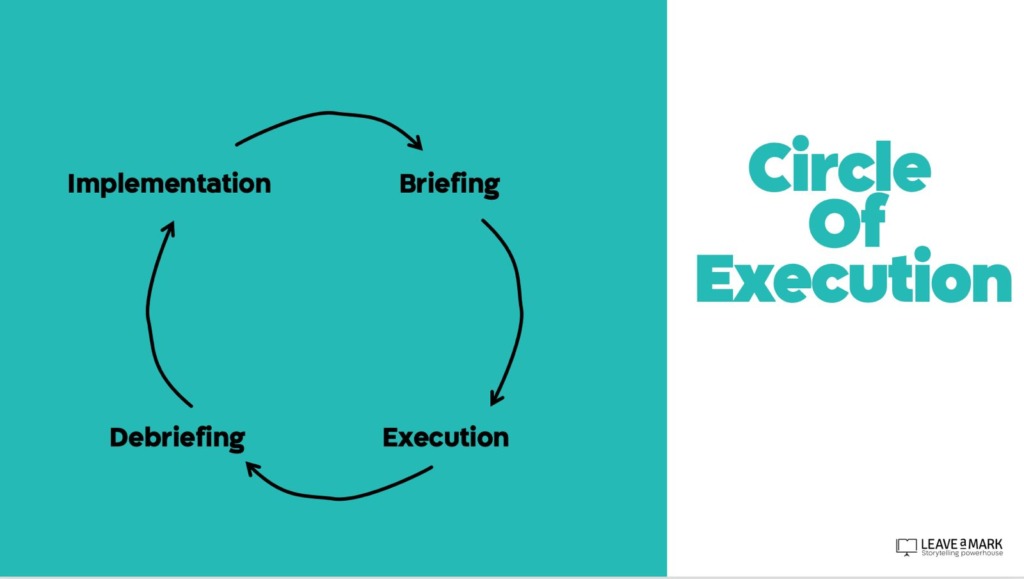
Of course, in my regular service as a pilot in the Air Force, the ability to debrief improved and specialized even more, as it was part of the organizational DNA. And mainly because we debriefed a lot, all the time. There is no flight, project, or anything else in the organization that has not gone through the complete execution cycle:
Briefing -> Execution -> Debriefing -> Implementation.
After I completed the IAF Flight Academy Course, as a young pilot, I had the privilege to lead a significant long-range flight of my squadron.
I remember that I had already prepared my plan for the project and then sat down to go over it with the "senior officer" (a "senior officer" – half a year older than me…) who would mentor me on the matter.
I already started to present the plan, and then he stopped me.
"First, let's see what happened in the previous Flights." We opened the previous debriefings and went over them. I saw that a significant part of my work plan was going to make the mistakes that had been debriefed in the past. More than that, all the proposals and solutions were recorded in the debriefing – and I just had to implement them. After updating the work plan, in accordance with the comments recorded in past debriefings, and their actual implementation under my supervision, the flights were carried out and were a great success.
And it all started from the fact that we simply adhered to the execution cycle.
After I finished my service in the IAF, I had the opportunity to work with various businesses in Israel and around the world. I was amazed at the gaps and differences between organizations. The leading organizations in the world, without exception, have a strong debriefing and lesson-learning mechanism. They don't make the same mistakes twice. On the other hand, less efficient and strong organizations typically have weaker "debriefing" muscles.
In everyday life and in the Air Force, debriefing is so natural. Although the root of the word in Hebrew is "investigate", (ח.ק.ר) it's really not an investigation, and there are no guilties. It's simply a tool.
In business organizations, on the other hand, people sometimes don't feel comfortable being completely honest about what happened. This can be due to difficulty getting to the root of the issue, a misunderstanding of what's important, or – in my opinion – the key obstacle: the issue of responsibility.
I first detailed that my work interface with my colleagues was not accurate enough. Second, I explained that this lack of synchronization also affected our efficiency in terms of working hours, and consequently, the project's profit. One of my colleagues immediately agreed with me and said that we really needed a mechanism for this. The company's managers heard the conversation that developed as a result of the debriefing, and they instructed us to implement the lesson for future projects and to establish the mechanism.
I could have said that it was my colleague's fault for not understanding what I meant. I could have said that it was the company's fault for not creating optimal conditions for me. In a certain sense, all of that is true.
But, I chose to look inside and say that I was the one who made a mistake. And next time we should do A or B…
As a result, the company was able to implement it well, and we all benefited. The company's efficiency improved, and my colleague and I saw that the company listened to our feedback and implemented it.
In conclusion, debriefing is a powerful tool that can help organizations learn from their mistakes and improve. By taking responsibility for our actions and being honest about what went wrong, we can create a culture of continuous improvement.
yael.k@leave-mark.com
The workshop just came out of the oven, so it's not on the website yet, but if you leave details here >> we promise to come back
Sign up for the newsletter
אנו משתמשים בקובצי Cookie.
הם עוזרים לנו לייעל את חוויית המשתמש שלך ולנתח את התנועה שלנו. אתה שולט בנתונים שלך - ספר לנו מה אתה מרגיש בנוח איתו למטה.
אתרים שומרים עוגיות כדי לשפר את הפונקציות ולפרסונליזציה של החוויה שלך. אתה יכול לנהל את ההעדפות שלך, אך חסימת חלק מהעוגיות עלולה להשפיע על ביצועי האתר והשירותים.
עוגיות חיוניות מאפשרות פונקציות בסיסיות והן הכרחיות לפעולה התקינה של האתר.
EqualWeb is an accessibility widget and monitoring service that adds an on-page menu where visitors can adjust contrast, font size, cursor size, keyboard navigation and other display settings, and scans the site for WCAG and ADA compliance issues.
כתובת שירות: www.equalweb.com (opens in a new window)
Google reCAPTCHA עוזר להגן על אתרים מפני ספאם וניצול לרעה על ידי אימות אינטראקציות משתמשים באמצעות אתגרים.
Google Tag Manager מפשט את ניהול תגי השיווק באתר שלך ללא שינויים בקוד.
HubSpot היא פלטפורמת שיווק, מכירות ושירות לקוחות הכוללת הכל, המפשטת את צמיחת העסק.
WPForms הוא תוסף ידידותי למשתמש עבור WordPress ליצירת טפסים מותאמים אישית עם פונקציית גרירה ושחרור.
עוגיות סטטיסטיקה אוספות מידע באופן אנונימי. מידע זה מסייע לנו להבין כיצד המבקרים משתמשים באתר שלנו.
Google Analytics הוא כלי עוצמתי שעוקב ומנתח את תנועת האתר לצורך קבלת החלטות שיווקיות מושכלות.
כתובת שירות: policies.google.com (opens in a new window)
Hotjar הוא כלי ניתוח חזק שעוזר לך להבין את התנהגות המשתמשים באמצעות מפות חום והקלטות של סשנים.
LinkedIn היא פלטפורמת רשת מקצועית למבקשי עבודה, מעסיקים וחיבורים בתעשייה.
Clarity היא שירות ניתוח אתרים שעוקב ומדווח על תנועת האתר.
כתובת שירות: clarity.microsoft.com (opens in a new window)
Google reCAPTCHA helps protect websites from spam and abuse by verifying user interactions through challenges.
עוגיות שיווקיות משמשות לעקוב אחרי מבקרים באתרים. הכוונה היא להציג פרסומות הרלוונטיות ומעוררות עניין עבור המשתמש הפרטי.
HubSpot is an all-in-one marketing, sales, and customer service platform that streamlines business growth.
כתובת שירות: legal.hubspot.com (opens in a new window)
LinkedIn Insight היא שירות ניתוח נתוני אינטרנט שעוקב ומדווח על תנועת האתר.
כתובת שירות: www.linkedin.com (opens in a new window)
Taboola היא פלטפורמת גילוי תוכן שממליצה על מאמרים וסרטונים כדי לעודד את המשתמשים ברחבי האינטרנט.
פלטפורמת שיתוף וידאו למשתמשים להעלות, לצפות ולשתף סרטונים במגוון ז'אנרים ונושאים.
כתובת שירות: www.youtube.com (opens in a new window)
אאוטבריין היא פלטפורמת גילוי תוכן הממליצה על מאמרים וסרטונים כדי לעודד את המשתמשים ולהניע תנועה.
Google Ads היא פלטפורמת פרסום מקוונת המאפשרת לעסקים ליצור מודעות ממוקדות המוצגות בתוצאות החיפוש של Google ובאתרי שותפים.
כתובת שירות: policies.google.com (opens in a new window)
Facebook Pixel הוא שירות ניתוח אתרים שעוקב ומדווח על תנועת האתר.
כתובת שירות: www.facebook.com (opens in a new window)
אתה יכול למצוא מידע נוסף במדיניות העוגיות שלנו Cookie Policy ובמדיניות הפרטיות שלנו Privacy Policy.